Types Of Headstones: Styles, Shapes & What Each Means
Choosing a headstone is a meaningful way to honour someone you love, but understanding the different options can feel overwhelming. The main types of headstones include lawn headstones, upright monuments, full cover monuments, memorial plaques and cremation memorials. Each offers a different way to remember a loved one, with its own appearance, purpose and cemetery requirements.
At
Northern Rivers Headstones, we help families understand their options before making a decision. Whether you're exploring traditional monuments or smaller memorials, our team specialising in
headstones in Lismore can explain which types are permitted in your chosen cemetery section.
The main types of headstones at a glance
The main difference between headstone styles is their size, structure and placement. Some mark the head of a burial plot, while others cover the entire grave or provide a smaller tribute in a designated memorial area.
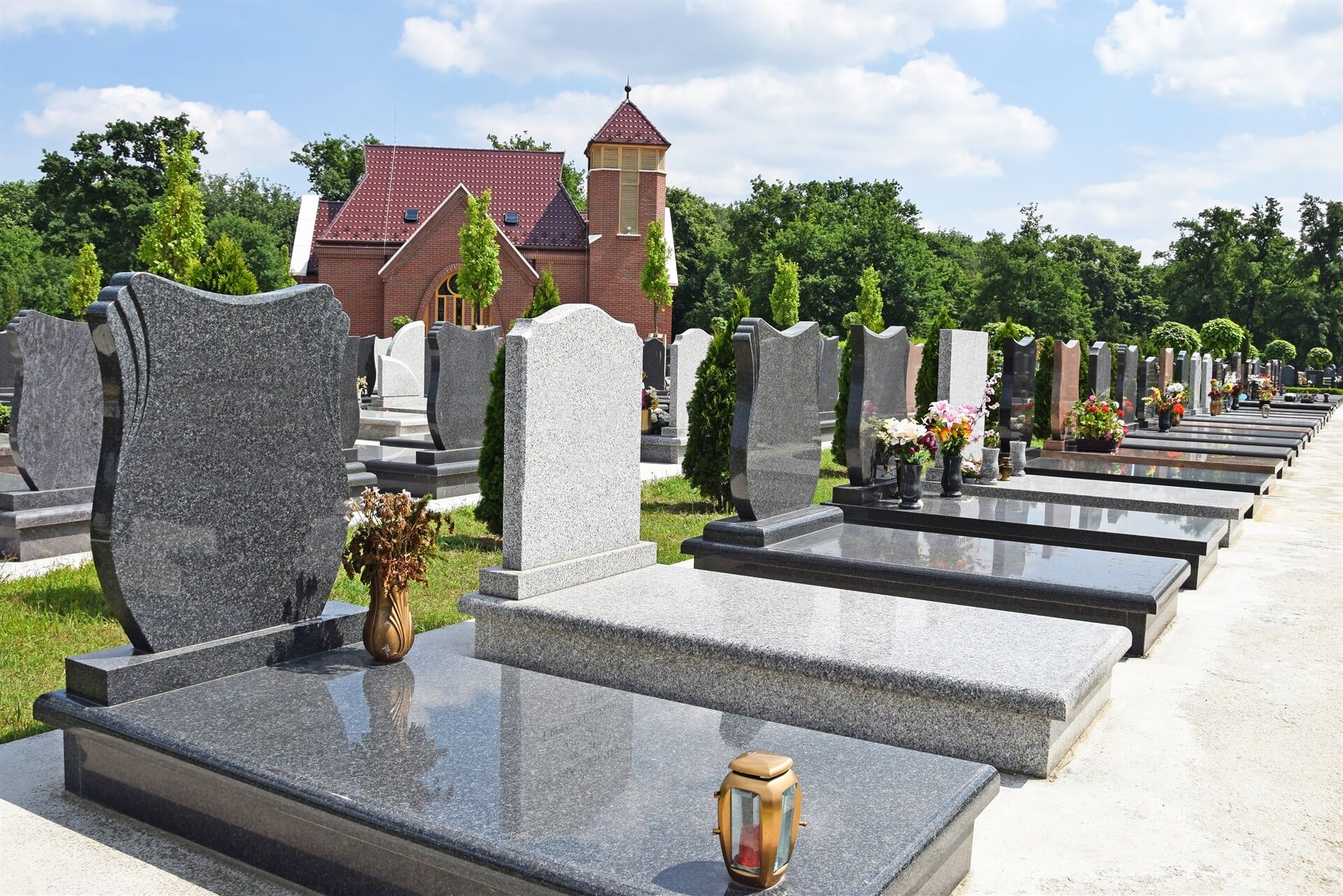
Lawn headstones are generally lower-profile memorials designed for lawn cemetery sections. Upright monuments feature a vertical headstone that creates a more prominent tribute. Full cover monuments extend across the burial plot, incorporating a headstone and surrounding structure.
Memorial plaques offer a smaller alternative, often suited to designated plaque areas or existing memorials. Cremation memorials are designed specifically to commemorate someone whose remains have been cremated.
Understanding these different types of headstones can help you identify which option feels appropriate for your family. However, the cemetery section determines which styles can be installed, so it's important to confirm the requirements before settling on a particular type.
What is a lawn headstone?
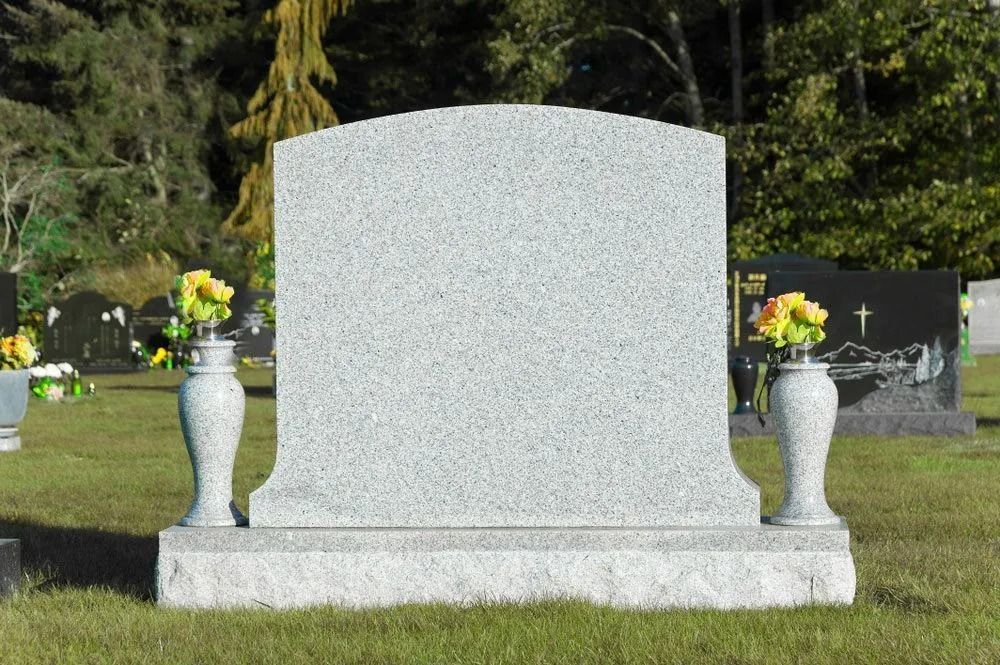
A lawn headstone is a memorial designed for a lawn cemetery section, typically featuring a headstone and base positioned at the head of the grave. Its relatively compact structure allows the surrounding grass to remain a prominent part of the burial area.
Lawn headstones suit families who prefer a simple, understated tribute without a structure covering the entire grave. They can provide a clearly defined place of remembrance while maintaining the open appearance associated with lawn cemeteries.
In Australia, lawn cemetery sections may have specific requirements concerning monument height, dimensions and placement. Some permit upright elements, while others require lower-profile memorials.
At Northern Rivers Headstones, we can explain the lawn monument options suitable for your cemetery section and help you understand how they differ from larger structures.
What is an upright monument?
An upright monument features a vertical headstone, usually supported by a base. Its raised structure makes the inscription clearly visible and gives the memorial a more prominent appearance within the cemetery.
Upright monuments are often associated with traditional headstone styles in Australia. They suit families seeking a recognisable memorial that stands above ground level without necessarily covering the entire burial plot.
An upright headstone can form part of a lawn monument or a larger memorial structure, depending on the cemetery's requirements.
For example, a family may prefer an upright monument because they want a traditional headstone that is easy to identify when visiting. However, its suitability depends on whether the cemetery section permits that particular structure and height.
Our
monuments Northern Rivers service includes upright and full cover options, with each memorial crafted to suit the family's wishes and applicable cemetery requirements.
What is a full cover monument?
A full cover monument is a memorial structure that extends across the entire burial plot rather than marking only the head of the grave. It generally incorporates a headstone, surrounding kerbs, a covering ledger and supporting foundations.
This type of monument creates a more substantial and clearly defined memorial space. It suits families who prefer a traditional, prominent structure that covers the grave itself.
Full cover monuments can be designed for single or double burial plots where the cemetery permits them. Their larger structure distinguishes them from lawn headstones, which leave most of the grave uncovered.
Because full cover monuments occupy more of the burial area, cemetery approval is particularly important. Not every section permits this style, even within cemeteries where full monuments are installed elsewhere.
Northern Rivers Headstones can help families establish whether a full cover monument is appropriate for their chosen resting place before proceeding.
When is a memorial plaque the better choice?
A memorial plaque can be a suitable alternative when a family prefers a smaller tribute or when the cemetery section requires a particular type of marker.
Unlike upright or full cover monuments, plaques generally provide a more compact commemorative surface. They may be positioned within designated cemetery areas, incorporated into existing memorial structures or used in other approved settings.
Plaques can be particularly appropriate when space is limited or when a traditional headstone isn't permitted.
For families exploring memorial plaques Northern Rivers, Northern Rivers Headstones offers commemorative options that can be crafted to reflect the person being remembered.
A plaque isn't necessarily a lesser alternative to a monument. It simply offers a different form of remembrance, often with a quieter, more understated appearance.
What memorial options suit cremated remains?
Cremation memorials provide a dedicated way to honour someone whose remains have been cremated. Rather than requiring a traditional burial headstone, these memorials may take the form of plaques, garden memorials or other smaller commemorative structures.
The appropriate memorial depends on where the ashes are interred or where the tribute will be placed.
For example, a family with a designated cremation site may prefer a commemorative plaque, while another may choose a garden memorial where permitted.
Northern Rivers Headstones offers cremation memorials, including garden memorial options, helping families find a tribute suited to their circumstances.
For a broader look at the types of memorials available beyond traditional headstones, our article on
personalised ways to honour a loved one explores additional approaches to remembrance.
Lawn, upright or full cover: how do cost and cemetery rules compare?
The main differences between lawn, upright and full cover monuments involve their structure, the amount of material and installation work required and the cemetery sections where they're permitted.
Although costs vary according to individual requirements, these general distinctions can help families understand what to expect:
- Lawn headstones: Usually have a smaller overall structure than full cover monuments. They may involve less material and installation work, but their permitted dimensions and configuration depend on the lawn section.
- Upright monuments: Feature a raised headstone and supporting base. Costs depend on the monument's size and construction, while cemetery rules may restrict height and placement.
- Full cover monuments: Extend across the burial plot and involve a more substantial structure. Their additional components can increase costs, and they are generally limited to sections that permit full grave coverings.
A lawn headstone vs upright headstone comparison isn't always straightforward because some lawn memorials incorporate upright elements.
The most important distinction is whether the proposed monument suits the specific cemetery section. A style permitted in one area may not be approved in another.
What do different headstone shapes mean?
Headstone shapes can carry symbolic meaning, although interpretations vary between families, cultures and religious traditions. Some shapes are chosen for their traditional associations, while others are simply preferred for their appearance.
Common headstone shapes and their possible meanings include:
- Rounded tops: Often associated with traditional memorials, offering a gentle, timeless appearance.
- Straight or rectangular tops: Create a simple, balanced appearance and may appeal to families seeking an understated tribute.
- Heart shapes: Commonly associated with love, affection and a lasting emotional connection.
- Book shapes: Can represent a person's life story, faith or the memories shared with loved ones.
- Cross shapes: Traditionally associated with Christian faith and remembrance.
- Curved or shaped tops: May be chosen for their softer appearance or personal significance rather than a fixed symbolic meaning.
Understanding headstone shapes and their meaning can help families recognise the symbolism behind familiar memorial styles.
However, no particular shape carries a universal meaning. The significance often comes from the person being remembered and the family's own interpretation.
Cemetery requirements may also influence which shapes are suitable for a particular memorial type.
Ultimately, the most appropriate memorial is one that honours your loved one while meeting the requirements of their resting place. Whether you prefer a lawn headstone, upright monument, full cover structure, plaque or cremation memorial, understanding the differences provides a helpful starting point.
At
Northern Rivers Headstones, we're here to help you explore your options with care and understanding.
Book a consultation with our team to discuss the memorial types available and confirm which styles are approved for your chosen cemetery section.
FAQs
Can two people be commemorated on the same headstone?
Yes, a shared memorial may be suitable for couples or family members, depending on the burial arrangements and cemetery requirements. Some monuments and plaques can accommodate multiple inscriptions, allowing loved ones to be remembered together.
Can a headstone be installed in any cemetery section?
No. Different cemetery sections may have specific requirements for memorial height, dimensions, placement and structure. Before choosing a headstone, it's important to confirm which styles are permitted in the relevant section.
Is a headstone the same as a monument?
The terms are closely related but aren't always interchangeable. A headstone generally refers to the marker at the head of a grave, while a monument may include a larger structure incorporating a headstone, base, kerbs or grave covering.
Can a memorial plaque be added to an existing monument?
In some circumstances, yes. Whether a plaque can be added depends on the existing monument, available space and cemetery requirements. Northern Rivers Headstones can discuss the proposed addition and help determine whether it's suitable.
Do all cemeteries allow cremation memorials?
Cremation memorial options vary between cemeteries and their designated sections. Some provide specific areas for cremation plaques or other memorials, while different arrangements may apply elsewhere. It's best to confirm the permitted memorial type before making a selection.